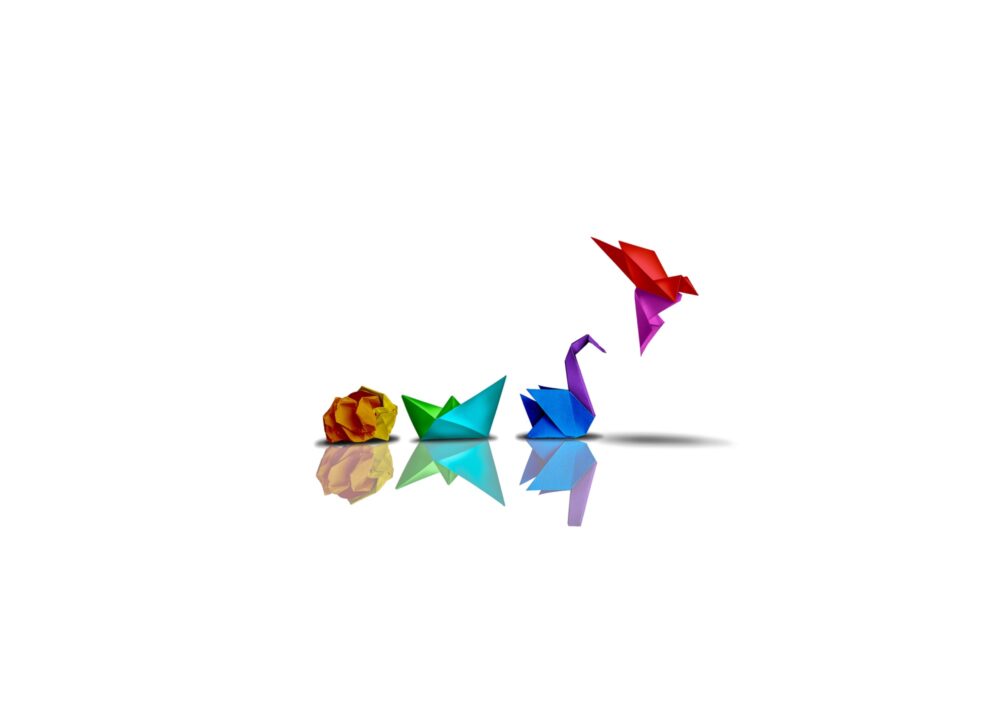
Facebook, Twitter, and Instagram expose users to diverse global events akin to experiencing different time-space continuums.
Scrolling through our social media feeds, we are transported to various realities. We see glimpses of our friend’s exotic travels, their fancy new gadgets, and their seemingly perfect lives. We also see news articles and videos that show us the harsh realities of the world – wars, conflicts, and natural disasters.
Through social media, we experience multiple realities – some that are aspirational and desirable, and some that are grim and unsettling. But what is the impact of experiencing these realities through a digital medium? On one hand, social media can be a source of inspiration and motivation. Seeing our friends achieving their goals and chasing their dreams can encourage us to do the same. We can also use social media to educate ourselves about important issues and raise awareness about causes we care about. On the other hand, social media can also be a source of anxiety and stress.
Comparing ourselves to others who seem to have it all can leave us feeling inadequate and unhappy. Constant exposure to negative news stories can also take a toll on our mental health, leaving us feeling overwhelmed and helpless. It’s important to remember that the realities we see on social media are not always accurate representations of the truth.
People often curate their online presence to present a certain image, and news stories can be biased or sensationalized.
To navigate the multiple realities of social media, it’s essential to be mindful of our consumption habits. We can choose to follow accounts and pages that inspire us and promote positivity, and limit our exposure to negative content. We can also take breaks from social media when we feel overwhelmed or stressed.
Key Topics to Discuss Further:
Digital Facades:
- Origin: The design of many social media platforms encourages constant posting and sharing. They’re built around showing the highlights of one’s life, which can create a distorted sense of reality.
- Consequences: This can lead to the “comparison trap.” When users only see the best moments of others’ lives and compare them with their everyday reality, it can cause feelings of inadequacy, jealousy, or disillusionment.
Validation through Likes:
- Origin: The dopamine hit from receiving a “like” or positive comment is real. These platforms are engineered to be addictive, ensuring users return frequently.
- Consequences: Over time, a person’s self-worth might become deeply entwined with the number of likes or comments they receive. This is precarious, as fluctuations in online validation can affect mood and self-esteem.
FOMO (Fear of Missing Out):
- Origin: When one continually sees friends and peers attending events, traveling, or indulging in new experiences, it can spark a feeling that they’re being left out.
- Consequences: This can lead to anxiety and the feeling of always needing to be “on.” Financial strain is also a concern as individuals might spend beyond their means to keep up.
Branding Over Being:
- Origin: The modern digital economy prizes personal branding. Whether for job prospects, influencer status, or entrepreneurial endeavors, how one is perceived can directly impact opportunities.
- Consequences: Individuals might prioritize crafting an image over genuine self-expression, leading to feelings of disconnection or imposter syndrome.
Mental Health Impact:
- Origin: The amalgamation of comparison, the need for validation, and FOMO can take a toll.
- Consequences: Studies have indicated a rise in mental health issues among young people, with social media being a significant contributing factor. This includes feelings of loneliness, anxiety, depression, and even suicidal thoughts.
Erosion of Privacy:
- Origin: The drive to share and be transparent can blur boundaries.
- Consequences: Overexposing personal life can lead to cyberbullying, data privacy concerns, and the loss of personal spaces where one can genuinely be oneself without judgment.
To combat these challenges, it’s essential to:
- Foster media literacy and critical thinking to discern between reality and online facades.
- Encourage breaks from digital platforms to reconnect with offline life.
- Promote genuine connections and communities where individuals can be their authentic selves.
- Offer mental health resources tailored to address the unique pressures of the digital age.